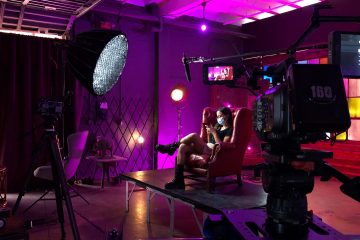
How Much Does a Corporate Video Cost in 2026?
By Chroma House | Miami Video Production Company
Well, how long is a piece of string?
That’s genuinely the most honest answer we can give you — and we’ve been doing this since 2008, so bear with us. Corporate video production cost can range from a few hundred dollars to several hundred thousand, and both of those numbers are real. What determines where you land on that spectrum isn’t some arbitrary production company markup. It’s a combination of creative scope, crew size, gear, location, talent, post-production complexity, and how much of your own time you can dedicate to the process.
We get asked about corporate video production cost constantly. So instead of dancing around it, here’s a straight breakdown of what you’re actually paying for in 2026 — and more importantly, why the numbers move the way they do.
First, let’s talk about why pricing is so hard to pin down
Imagine walking into a car dealership and asking “how much is a car?” You could drive off in a Corolla or a G-Wagon. Both are cars. Both get you from A to B. One costs $26,000 and the other costs $175,000. Clearly, the question doesn’t have a simple answer.
Video production works exactly the same way. A 2-minute talking head interview shot in a conference room with one camera and edited in a day is a completely different animal from a 2-minute brand film with a director, a full camera crew, actors, a location scout, original music, motion graphics, and color grading. They can both be called “a corporate video.” They will not cost the same.
Furthermore, the biggest driver of cost isn’t run time — it’s complexity. A 60-second commercial can cost more than a 10-minute documentary if the 60-second spot requires two shoot days, a drone, a specialized lens package, and a full post team. In other words, length tells you almost nothing about price.
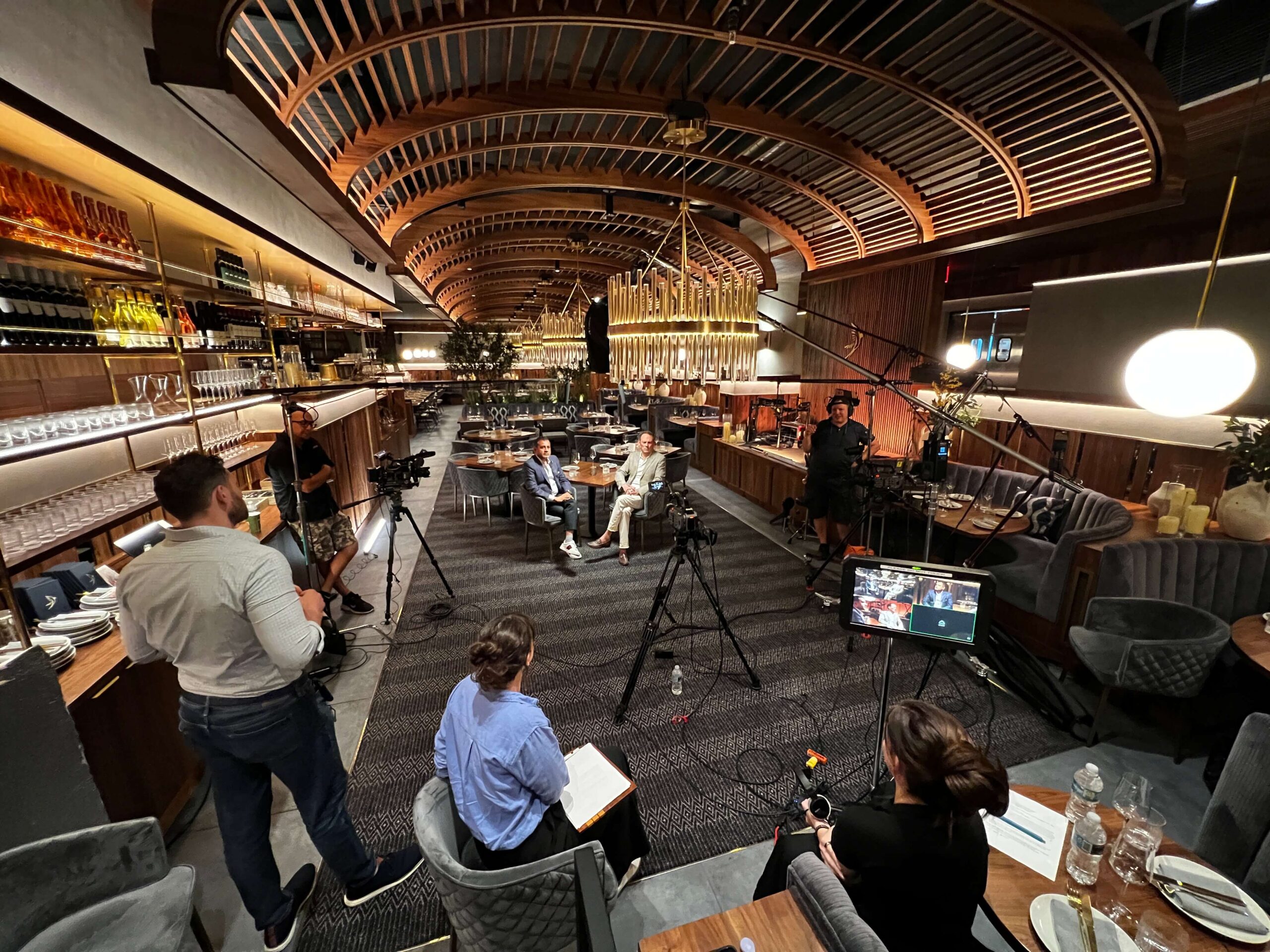
Corporate Video Production Cost: What Are You Actually Paying For?
Before we get into numbers, there’s something important to understand: higher cost doesn’t automatically mean higher quality. In most cases, it simply means more — more shoot days, more crew members on payroll, more locations, more deliverables, more post-production hours. As a result, a $15,000 production isn’t necessarily “better” than a $5,000 one. It might just be longer, or more complex, or involve more moving parts. Keep that in mind as you read through these ranges.
The $1,000–$5,000 Range
This range covers a lot of ground. On the lower end, you might be looking at a solo shooter — one person handling camera, audio, and lighting all at once. On the higher end, it could be a three-person crew (DP, sound, and a producer/PA) for a single shoot day. Both of those scenarios can live comfortably inside this bracket.
What keeps costs here isn’t necessarily the caliber of the people or the gear — it’s the scope. One day. Simple setup. Straightforward edit. The crew is lean because the job is lean. That might be exactly what your project needs, or it might not be — but the dollar figure alone doesn’t tell you which.
For example, internal communications, quick social content, or a simple testimonial all make sense here. Not because you’re settling, but because the scope genuinely fits the budget.
The $5,000–$20,000 Range
Similarly, this range can mean very different things depending on the project. A $6,000 production might still be a one-day shoot with a small team — just with a more involved edit, licensed music, and color grading added in. On the other hand, a $18,000 production might involve the exact same crew, but spread across three or four shoot days because the project requires more locations, more setups, or more content total.
More days means more crew day rates, more equipment rental days, more editor hours. It doesn’t mean the quality jumped — it means the shoot got longer. That’s an important distinction, especially when you’re comparing quotes from different companies.
At Chroma House, a big chunk of our corporate work lives somewhere in this range. We conduct roughly 80 corporate interviews a year, and most of them are efficient, well-executed single or double shoot days. The crews are experienced, the gear is solid, and the output is professional — but we’re not throwing bodies at the job just to inflate the invoice.
The $20,000–$75,000 Range
By this point, the costs are usually being driven by one of a few things: a larger crew because the production genuinely requires it (a gaffer and grip team because the lighting demands it, a 1st AC because the camera package requires one), more shoot days, location fees and permits, on-camera talent or actors, wardrobe, hair and makeup, or a heavier post-production workload with motion graphics, sound design, and a proper color grade.
Even so — and this is worth saying again — a $40,000 production isn’t inherently more cinematic than a $12,000 one. It might simply mean you shot for a week instead of a day, or that actors and a location scout were involved. In fact, the same crew that shoots a $10,000 interview package might be the exact same crew on a $50,000 brand campaign. The difference is scope, not talent.
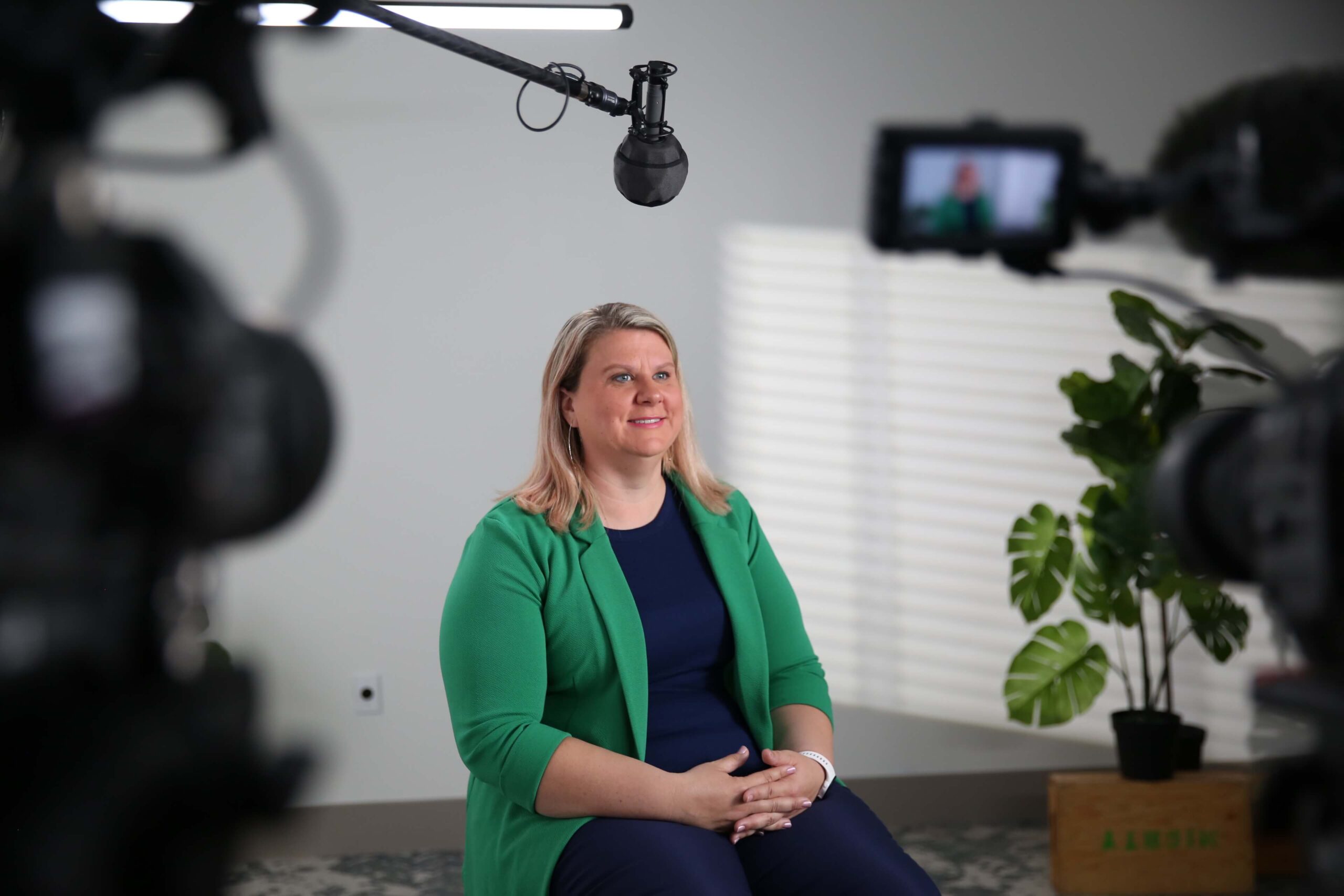
We’ve worked with clients like Conagra, Microsoft, RAM, and Regions Bank in this range. The production values are high — but they’re high because the projects were complex, not because we staffed up unnecessarily.
The $75,000+ Range
At this level, you’re typically dealing with multi-day shoots, full departmental crews, agency involvement, significant talent fees, and an extensive post-production pipeline. Moreover, the logistics alone — permits, travel, catering, equipment trucking, insurance riders — start to add up in ways that surprise people who haven’t produced at this scale before.
That said, the same principle still applies. A $100,000 budget isn’t a guarantee of a $100,000-looking video if that money is being spread across 10 shoot days in difficult locations with a massive crew. Sometimes a tighter, smarter $30,000 production tells a better story.
We’ve worked at this level — including on the Academy Award-winning documentary AMY, and with clients like Xbox during Super Bowl LIV. The takeaway from those experiences isn’t that bigger budgets are better. Rather, it’s that the right budget for the right project, managed well, is what gets results.
The stuff people forget to budget for
Crew day rates are one line item. However, there’s plenty more that factors into the final number — and these are the things that tend to catch people off guard.
First, location fees and permits. Shooting in Miami is incredible — the light, the architecture, the energy — but depending on where you want to shoot, permitting can take time and money. A beach shoot, a Brickell rooftop, or a production in a historic building all come with their own requirements. We know how to navigate this locally, but it still needs to be factored in from the start.
Then there’s talent. If you need actors, spokesperson talent, or even extras, that’s a separate line item — including casting fees, talent day rates, and usage rights if the content runs as paid media.
Music licensing is another one. A track from a quality music library runs anywhere from $100 to several thousand dollars depending on usage. If you want something custom composed, add that to the budget as well.
On top of that, revisions. A professional edit includes a round or two of revisions. However, if the script wasn’t locked before the shoot, or if stakeholder feedback pulls in six different directions, additional edit time adds up quickly.
Finally, deliverables. A 2-minute brand film is one thing. But if you also need a 30-second cut, a square version for Instagram, a 15-second pre-roll, and a version with Spanish subtitles — those are separate deliverables that each require time and therefore cost money.
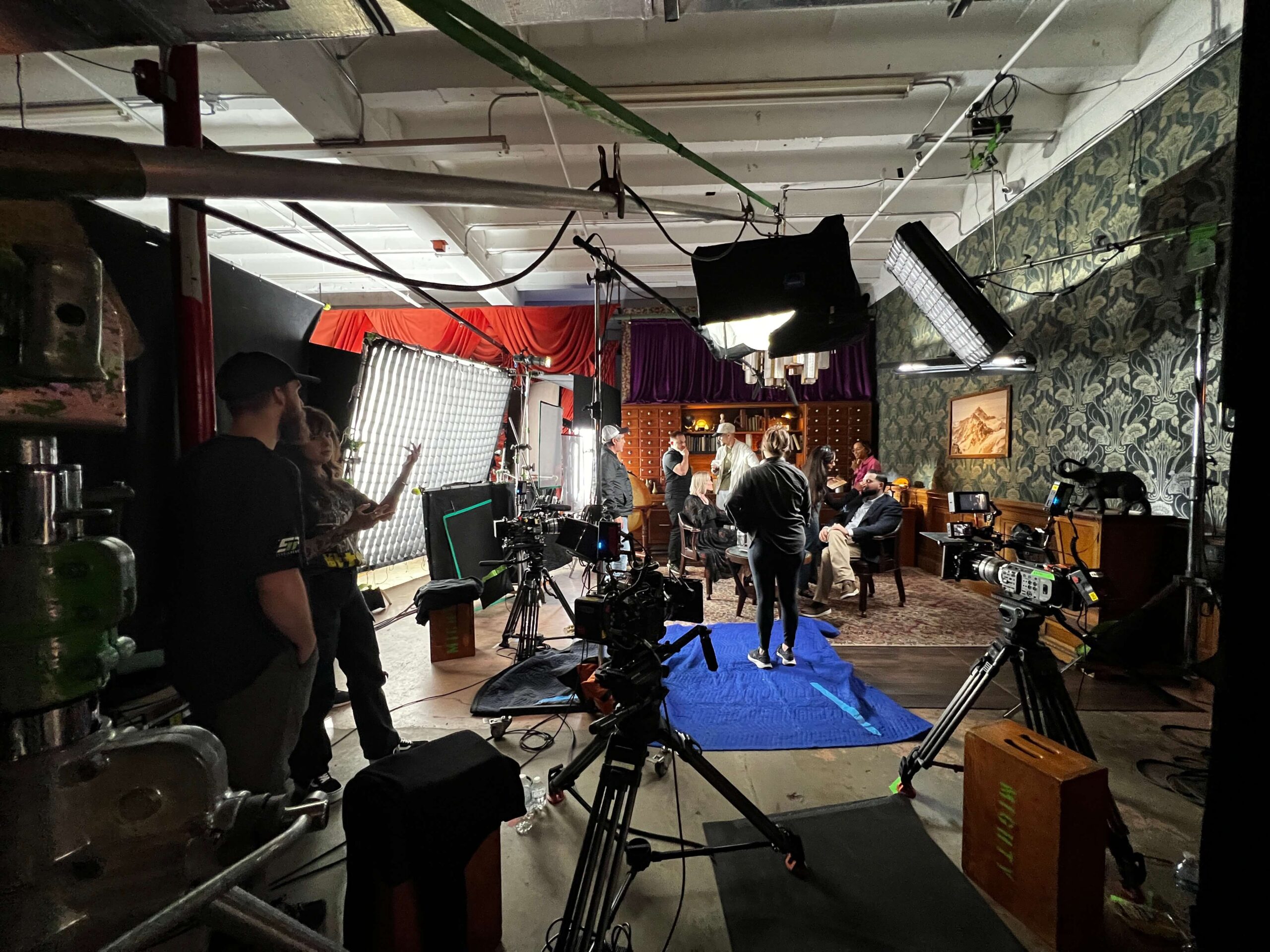
Why we always ask for your budget first
We wrote about this years ago and the answer hasn’t changed: knowing your budget isn’t about figuring out how much we can charge you. It’s about figuring out what’s actually possible — and then building the smartest production within that.
For instance, if you come to us with $8,000, we can make something great within that. If you have $40,000, we can go bigger and bring more to the table. But if you don’t tell us, we’re guessing — and guessing wastes everyone’s time.
A good production company will tell you honestly what your budget can achieve. A great one will also help you prioritize so you’re spending in the right places. Spend on the things the camera sees. Cut corners on the things it doesn’t.
So what should your corporate video actually cost?
Here’s the real answer: there is no universal answer, and anyone who tells you otherwise is guessing.
Consider this: a simple About page video for a local business and a simple About page video for Coca-Cola are not the same project — even if they’re the same length and shot in the same format. The brand standards, the approval chain, the number of stakeholders, the legal review, the usage rights, the deliverable formats — all of it is different. As a result, the dollar amount that makes sense for one company is completely irrelevant to another.
What actually determines the right corporate video production cost is a real conversation about your specific project: what you’re trying to say, who you’re saying it to, how many shoot days it realistically takes, what crew the job actually requires, and what post-production looks like on the other end. That’s not a dodge — it’s just the truth of how production works.
What we can tell you is this: whatever you spend, spend it intentionally. The ROI case for video is well established — Wyzowl’s 2026 State of Video Marketing report found that 82% of marketers say video has given them a good return on investment. We’ve seen that play out firsthand. A well-executed $10,000 video can generate millions in business for a client. We’ve also seen bloated productions gather dust because the strategy wasn’t there. In the end, the number matters less than what you do with it.
The production company you choose matters. The brief you give them matters. And the story you’re trying to tell matters most of all.
Thinking about a corporate video in 2026? Chroma House is a full-service video production company based in Miami, Florida. We’ve been producing corporate content for national brands and agencies since 2008. Reach out and let’s figure out what the right production looks like for your budget.